Spotted Bass Caught in Quitman TX - Lake Fork Fishing
Spotted Bass Fishing in Quitman - What to Expect

Guided Fishing Trip by Guide Ryker Holmes in April

- Secure Your Premiere Lake Fork Fishing Experience


Summary
Reel in spotted bass on a guided fishing trip to Lake Fork near Quitman, TX with Ryker Holmes of Lake Fork Premier Guide Service. This Wednesday in April showcases prime fishing conditions where anglers connect with one of Texas' most prized freshwater species in their natural habitat.
Guided Fishing with Ryker Holmes - Rates & Booking
Guide Ryker Holmes of Lake Fork Premier Guide Service took anglers onto Lake Fork near Quitman, TX on Wednesday, April 15th for an unforgettable spotted bass experience. This guided fishing trip puts you on the water where the action is hottest, with expert local knowledge guiding every cast and technique.
Lake Fork Premier Guide Service specializes in personalized fishing adventures tailored to skill levels and preferences. Whether you're a seasoned angler seeking trophy fish or looking to refine your technique, Ryker brings years of expertise to maximize your success on the water. Contact Lake Fork Premier Guide Service to inquire about current rates, group sizes, and available dates for your next fishing adventure.
Highlights of Lake Fork Guided Fishing
The magic of Lake Fork lies in its consistent population of quality spotted bass and diverse fishing opportunities. Anglers experience the thrill of landing hard-fighting fish while surrounded by the natural beauty of East Texas waterways. The lake's structure and healthy ecosystem make every outing productive, whether conditions call for topwater explosions at dawn or deep-water presentations under the afternoon sun.
Ryker Holmes' intimate knowledge of Lake Fork's best fishing zones means you spend less time searching and more time connecting with fish. His personalized approach to each trip ensures you're fishing the right techniques for current conditions, dramatically improving your chances of landing multiple spotted bass throughout the day.
Local Species Insights: Spotted Bass
Spotted bass thrive throughout Lake Fork, representing one of Texas' most exciting freshwater species for anglers. These aggressive predators are distinguished by rows of dark spots running along their lower sides and smaller mouths compared to largemouth bass. They inhabit areas with structure - fallen timber, rock formations, and drop-offs - where they ambush prey with explosive strikes.
What makes spotted bass such compelling targets is their willingness to bite and fighting spirit. They respond aggressively to both artificial lures and live bait, providing consistent action throughout the day. On Lake Fork, spotted bass congregate around submerged vegetation, channel ledges, and creek arms where oxygen-rich water flows. Spring conditions like those in mid-April trigger peak feeding periods as water temperatures stabilize and bass move into shallower feeding zones.
The spotted bass's behavior follows predictable patterns that experienced guides like Ryker exploit to position anglers for success. Early morning hours see aggressive topwater and shallow-water presentations as bass hunt in low-light conditions. As the sun climbs, fish transition to deeper, shaded areas where presentation finesse becomes critical. Understanding these seasonal and daily patterns separates consistent catches from occasional luck.
Lake Fork's ecosystem supports robust spotted bass populations thanks to abundant forage fish and ideal habitat structure. The lake's moderate depth, healthy vegetation growth, and consistent water management create conditions where spotted bass grow strong and aggressive. Anglers consistently encounter fish in the 2-4 pound range, with larger specimens possible for those fishing with precision and patience.
Plan Your Fishing Day
Your guided fishing trip on Lake Fork combines professional expertise, prime fishing locations, and authentic East Texas hospitality. Ryker Holmes handles the heavy lifting of navigation, technique instruction, and fish location - your job is to cast, connect, and enjoy the experience. The day unfolds on the water where spotted bass respond to well-placed presentations, where you learn techniques applicable to future fishing adventures, and where memories form around successful catches and good company.
Fishing in Lake Fork: Spotted Bass
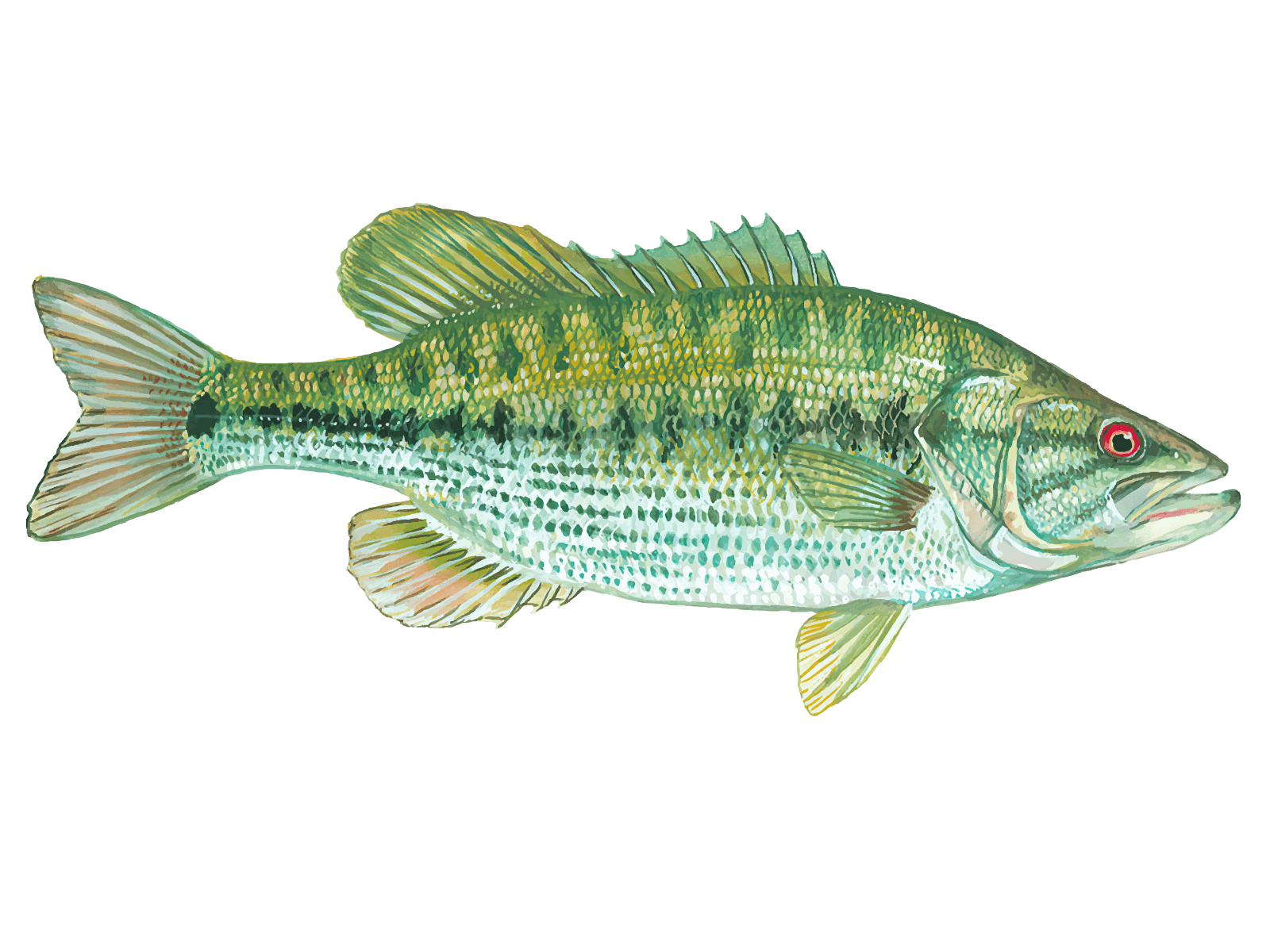
Spotted Bass Overview
The Spotted Bass (Micropterus Punctulatus), belonging to the order Perciformes and family Centrarchidae, is one of North America's most exciting game fish for both seasoned anglers and newcomers alike. Often called the "Spotty" or "Kentucky Bass," this cylinder-shaped fighter is instantly recognizable by the characteristic dark spots arranged in neat rows along its lower body, gradually fading toward the white belly. With a body color ranging from light green to light brown, the Spotted Bass is frequently confused with its larger cousin, the Largemouth Bass, but several key distinguishing features set it apart. What makes this species particularly special is its tendency to school together—a behavior uncommon among other bass species—and its reputation as an exceptional fighter that dives deep rather than leaping, making every catch an adventure. Whether you're fishing in California's New Bullard's Bar Reservoir or exploring rivers throughout the Mississippi and Ohio basins, the Spotted Bass delivers a memorable angling experience.
Spotted Bass Habitat and Distribution
Spotted Bass thrive in slow-moving, clear waters with rock or gravel bottoms, making streams and rivers their preferred environments. Unlike many other bass species, they rarely venture into natural lakes and cannot tolerate brackish water or low oxygen saturation in very cold water. Their geographic range spans the lower and central Mississippi River Basin and the Ohio basin, extending from Florida to Texas, with populations found from the Guadalupe River to the Red River in East Texas. These bass gravitate toward structures—rocks, logs, and submerged features—rather than dense cover, so successful anglers should focus their efforts on rocky outcrops and structural elements throughout their range. The species' preference for cool, clear water with good oxygen content makes them perfect inhabitants of flowing river systems where they can find both food and ideal living conditions.
Spotted Bass Size and Weight
Spotted Bass typically range from 20 to 25 inches in length, with weights varying from 1 to 11 pounds depending on age and environmental factors. While average catches usually fall in the 2-5 pound range, trophy-sized individuals are absolutely within reach for dedicated anglers. The current world record, an impressive 11 pounds and 4 ounces measuring 24.25 inches long, was caught by Nick Dulleck at New Bullard's Bar Reservoir in California, demonstrating that truly exceptional specimens exist in select waters. Younger fish tend to be smaller and lighter, but what they lack in size they make up for in fighting spirit and aggressive behavior, making them perfect targets for anglers of all skill levels.
Spotted Bass Diet and Behavior
Young Spotted Bass typically feed on insects and zooplankton during their early life stages, but as they mature, their diet transitions to a more carnivorous preference centered on crayfish and small fish. These aggressive feeders also consume catfish, minnows, and various aquatic insects, making them opportunistic hunters that will strike at almost any offering that resembles their natural prey. One of the most distinctive behavioral traits of Spotted Bass is their tendency to school together, unlike the more solitary Largemouth Bass. This schooling behavior creates exciting opportunities for anglers who locate one fish, as several more may be nearby. When hooked, Spotted Bass behave more like their Smallmouth cousins, diving deep and fighting hard rather than jumping to the surface like Largemouths. Male Spotted Bass display remarkable parental dedication, guarding eggs for approximately four weeks and continuing to protect fry even after hatching—a fascinating glimpse into their breeding biology.
Spotted Bass Spawning or Seasonal Activity
Spotted Bass reach sexual maturity in their first year, making them prolific reproducers capable of establishing populations relatively quickly. Spawning occurs in spring when water temperatures range from 57 to 74 degrees Fahrenheit, with males and females preferring rock and gravel bottoms for nest construction. After females lay their eggs, males take over parental duties with remarkable dedication, guarding the eggs for approximately four weeks and continuing protective behavior toward the fry after they hatch. This intense parental care is a defining characteristic of the species and contributes to their success in river systems with suitable spawning habitat. Understanding these seasonal movements and spawning preferences can significantly improve an angler's success rates throughout the year.
Spotted Bass Techniques for Observation or Capture
Bait Casting and Spin Casting: The most popular approach for targeting Spotted Bass involves using a light-to-medium spinning rod paired with 6-pound fluorocarbon line. Cast toward rocky structures, submerged logs, and current breaks where these bass love to hide. Effective lures include crankbaits, jerk baits, soft plastic bags, and topwater offerings—essentially anything that would work for Largemouth Bass, given the Spotted Bass's aggressive nature. Early morning and late afternoon sessions produce excellent results, particularly when using topwater lures that create surface disturbance and attract strikes. Around New Bullard's Bar Reservoir in California and similar rocky reservoir systems, focus on steep drop-offs and structure-laden banks where Spotted Bass school together.
Fly Fishing: For fly enthusiasts, Spotted Bass presents an exciting challenge and consistent opportunity. Poppers, streamers, Clouser minnows, and other traditional fly patterns work exceptionally well, and the species' aggressive behavior means it will strike at most presentations with enthusiasm. Fly fishing for Spotted Bass is particularly rewarding because the fish puts up a tough fight, diving deep and making hard runs that test tackle and technique. Wade the shallow structure or fish from a boat in deeper water, varying your retrieves to trigger aggressive feeding responses.
Still Fishing and Drift Fishing: Patience and observation are key for still fishing or drift fishing applications. Position your boat or wade near rocky outcrops and structural elements, then allow live bait or soft plastics to work the productive zones. Drift fishing along current breaks in rivers allows you to cover water methodically and locate schooling fish. These passive techniques work particularly well during peak feeding times and when fish are actively pursuing their preferred prey of crayfish and small minnows.
Spotted Bass Culinary or Utilization Notes
Spotted Bass offers good eating opportunities with white, flaky meat that is mild and palatable when properly prepared. Many anglers consider them excellent table fare, comparable in quality to Largemouth Bass and other freshwater game fish. The meat has good odds for both quality and food value, making catch-and-release versus keep-for-dinner decisions a matter of personal preference and local regulations. Always check regional fishing regulations regarding size and bag limits before planning to keep your catch. When preparing Spotted Bass for the table, filleting and pan-frying with simple seasonings brings out the delicate flavor of the meat. Some anglers practice catch-and-release purely for the sport and conservation, allowing these excellent fighters to be caught and fought again another day.
Spotted Bass Frequently Asked Questions
Q: What is the best bait or lure for catching Spotted Bass?
A: Spotted Bass are aggressive feeders that will strike at most offerings designed for Largemouth Bass. Live crayfish and minnows work excellently, as do crankbaits, jerk baits, soft plastics, and topwater lures. Light-to-medium spinning rods with 6-pound fluorocarbon line offer the best balance of sensitivity and strength. Topwater presentations during early morning and late afternoon produce particularly exciting strikes.
Q: Where can I find Spotted Bass near major fishing destinations?
A: Spotted Bass are distributed throughout the Mississippi and Ohio River basins, ranging from Florida to Texas and into East Texas. New Bullard's Bar Reservoir in California holds the world record specimen. Look for them in streams and rivers with clear water, rock or gravel bottoms, and abundant structure. They prefer slow-moving sections with rocky outcrops rather than dense cover.
Q: How do I distinguish a Spotted Bass from a Largemouth Bass?
A: The most reliable distinction is the dorsal fin: Spotted Bass have a connected dorsal fin, while Largemouths have a separate one. Additional differences include the Spotted Bass's jaw not extending past the eye (Largemouth's does), much smaller cheek scales on Spotted Bass, and distinctive dark spots in rows on the Spotted Bass's belly (Largemouths have plain white bellies). Spotted Bass are also generally smaller than Largemouths.
Q: When is the best time to catch Spotted Bass?
A: Early morning and late afternoon produce the most exciting topwater action, though Spotted Bass feed throughout the day. Spring spawning season (water temps 57-74°F) can be productive, but always follow local fishing regulations. Year-round fishing is possible in suitable waters, with consistent catches available when you target rocky structures and schooling areas.
Q: Why do Spotted Bass fight differently than Largemouth Bass?
A: Spotted Bass dive deep and fight like Smallmouth Bass when hooked, rather than jumping to the surface like Largemouths. This aggressive diving behavior makes them exceptional fighters that test anglers' skills and tackle, which is why experienced anglers consider them such exciting quarry. The hard-fighting nature of this species—even smaller specimens—makes every catch memorable.
Q: Are Spotted Bass good to eat?
A: Yes, Spotted Bass have excellent culinary qualities with good odds for food value. The white, flaky meat is mild and palatable when properly prepared. Many anglers consider them equal to or better than Largemouth Bass for table fare. Pan-frying fillets with simple seasonings brings out the delicate flavor. Always check local regulations for size and bag limits before planning to keep your catch.